How to Control Your Anger: Islamic Guidance and Practical Tips
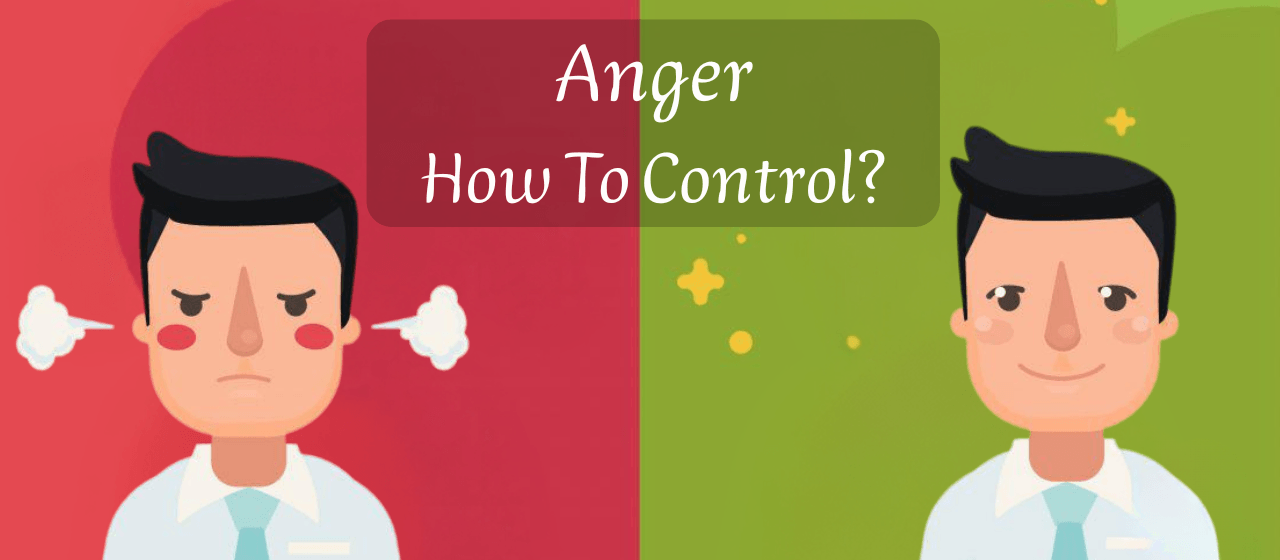
Anger is one of the most impulsive instincts that control human beings. Anger is an intense emotional reaction to an undesired action, statement, or feeling. It is also known as wrath or rage. People’s reactions are influenced by their emotions. Anger causes physiological changes: the blood boils, and the eyes and the face become red, which leads the person to behave in ways that he would never try if he were calm or composed. Anger can represent either the most constructive power or the most destructive. Therefore, the Prophetic Sunnah paid great attention to providing methods to reform, direct, and guide Muslims in managing anger. The Prophet Muhammad (ﷺ) described anger and said:
”Anger is an ember in the heart of the son of Adam, as you see it in the redness of his eyes and the bulge of his jugular veins. So whoever senses something from that, then let him cling to the ground.”
At the same time, the Prophet Muhammad (ﷺ) did not command us to eliminate anger altogether; rather, he gave us spiritual and religious guidelines to deal with its effects. Modern psychology tends to manage emotions rather than suppress them. All human emotions are tests from Allah, to see whether a Muslim will respond to his anger or gain control over himself in this trial.
The Islamic approach to anger
The Prophet Muhammad (ﷺ) described the types of people when they become angry and pointed out the best type among them. He said:
”Among them is the slow to get angry, the quick to calm. Among them is the quick anger and the quick to calm, so this is with that. Behold! Among them is the quick get angry and slow to calm, and indeed the best of them is the slow to get angry and the quick to calm, and the worst of them is the quick get angry and the slow to calm.”
Hence, the best person is the one who is easily reconciled with and approached. Allah created the human soul and made it receptive to refinement. When a person feels anger, he needs to remember Allah, identify the motives of his anger and the best way to express it; otherwise, it turns back against him. The Prophet Muhammad (ﷺ) is a perfect example for anyone whose hope is in Allah and the Last Day. It was narrated that the Prophet Muhammad (ﷺ) never sought personal revenge for himself unless limits set by Allah were violated. He never became angry unless for the sake of truth and the sake of right. A person needs to remember that this life is not worth the wing of a mosquito. Thus, before this anger turns into a harmful means, an important question must be answered: is it worth it?
Abu Hurairah (RAA) narrated, ‘A man said:
“O Messenger of Allah, advise me.”
The Messenger of Allah (ﷺ) said: “Do not get angry.”
The man repeated that several times and he replied, “Do not get angry.”
In addition, in Surah Al-Imran 3:134, Allah praises those who have strong self-control, and says:
”Who spend [in the cause of Allah] during ease and hardship and who restrain anger and who pardon the people – and Allah loves the doers of good.”
(الَّذِينَ يُنفِقُونَ فِي السَّرَّاءِ وَالضَّرَّاءِ وَالْكَاظِمِينَ الْغَيْظَ وَالْعَافِينَ عَنِ النَّاسِ ۗ وَاللَّهُ يُحِبُّ الْمُحْسِنِينَ).
Moreover, from a broader perspective, Islam highlights that the core strength of a Muslim does not only lie in his physical power, but in his ability to exercise self-control. The Prophet Muhammad said (ﷺ): ”The strong man is not the good wrestler; but the strong man is he who controls himself when he is angry.”
the prophetic treatment for anger
The Prophet Muhammad (ﷺ) never prohibited something without providing a remedy for it. He instructed Muslims on how to deal with anger:
1-Seeking refuge in Allah from Shaytan: Sulaiman ibn Surad said: Two men reviled one another in the Prophet’s presence when we were sitting near him. One of them became red in the face and was furious, the Prophet (ﷺ) said that he knew of a phrase which, if the man were to say it, his anger would disappear: “I seek refuge in Allah from that accursed devil.”
2-Changing one’s physical position: Narrated Abu Dharr: The Messenger of Allah (ﷺ) said: When one of you becomes angry while standing, he should sit down. If the anger leaves him, well and good; otherwise he should lie down. It is recommended to change one’s posture because doing so helps calm the intensity of anger. When a person is standing, he is more inclined to react impulsively or seek revenge.
3-Silence: Training the self not to become overly indulgent in emotions is one of the best methods of treatment. And training the self to remain silent protects a person from many inevitable harms. Ibn ‘Abbas reported that the Messenger of Allah (ﷺ), may Allah bless him and grant him peace, said, “Teach and make things easy and not difficult. When one of you is angry, he should be silent.”
4-Wudu (ablution) or taking a shower: Abu Wa’il al-Qass said: We visited Urwah ibn Muhammad ibn as-Sa’di. A man spoke to him and provoked his anger. He then stood up and went to perform ablution, and said: My father told me on the authority of my grandfather Atiyyah who reported the Messenger of Allah (ﷺ) as saying: Anger comes from the devil, the devil was created from fire, and fire is extinguished only with water. Therefore, when one of you becomes angry, he should perform ablution.
In conclusion, anger is a natural human emotion, but controlling it is a sign of true strength and spiritual maturity. Islam provides practical guidance, inspired by the teachings of the Prophet Muhammad (ﷺ), to help a person manage anger through self-control, patience, silence, physical calmness, and remembrance of Allah. By applying these methods, a Muslim can transform anger from a potentially destructive force into an opportunity for personal growth and moral excellence.